
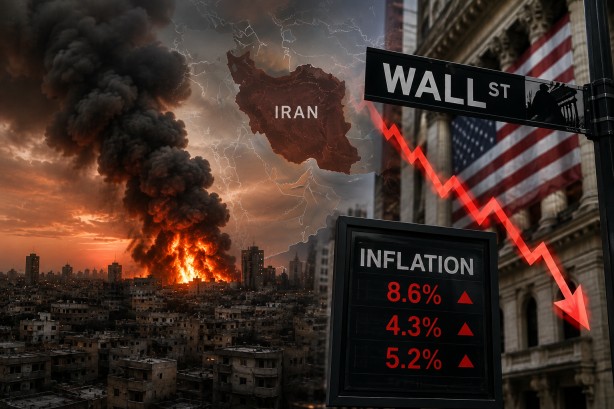
The ongoing conflict in Iran is exerting new inflationary pressures on the U.S. economy by escalating energy costs and interrupting global supply chains. This has sparked concerns that the Federal Reserve’s ability to manage interest rates could be challenged, potentially jeopardizing Wall Street’s robust stock-market rally. The most immediate repercussions are being felt in the Strait of Hormuz, a vital artery for global energy transport. Disruptions there have led to a reduction in oil shipments, causing crude prices to surge and, in turn, driving up gasoline and diesel prices for American consumers, adding to the overall inflationary burden.
While there has been some relief in oil prices due to increasing optimism for diplomatic resolutions, other inflationary factors persist. The elevation in transportation costs, along with interruptions in supply chains, continue to push up prices for goods and services, particularly those reliant on petroleum-based products. Beyond energy, the conflict is impacting sectors such as agriculture and technology. Fertilizer supply disruptions could elevate food production costs, and a shortage of helium—a critical component in semiconductor manufacturing—could lead to increased expenses for the chip industry.
The Federal Reserve faces the challenge of dealing with elevated underlying inflation levels, even as energy prices show signs of stabilizing. Persistent core inflation may curtail the central bank’s capacity to reduce interest rates, and could even necessitate more stringent monetary policies if inflationary pressures escalate. This scenario poses additional hurdles for companies, notably within the technology and AI sectors, where significant investments in infrastructure such as data centers and chips are being made. More expensive financing could potentially slow down these investments and strain the valuations of AI stocks.
AI-related businesses have been pivotal in driving the recent upswing in the U.S. stock market. Therefore, any deceleration in AI investment or a downturn in the valuation of high-growth tech stocks could negatively affect major stock indexes. Investors are closely monitoring whether the inflation triggered by the conflict will be a short-lived issue or if it will seep into the broader economy. Should supply chain disruptions persist and core inflation remain elevated, higher interest rates could pose a formidable challenge for Wall Street and threaten the momentum of the current bull market.