
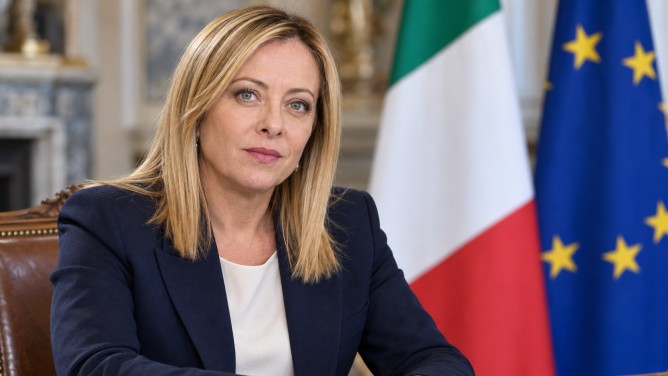
As energy costs continue to climb in Italy, Prime Minister Giorgia Meloni is evaluating a flexible approach to reducing fuel duties to alleviate pressure on households and businesses. This consideration comes after the expiration of a temporary diesel tax reduction earlier this week, which had lowered duties by 6.1 cents per litre. Following the end of this measure, diesel prices surged, with Eni increasing its maximum price from €2.19 to €2.25 per litre, though the cap for unleaded petrol remained steady at €1.99 per litre.
The Italian government is proposing a mobile excise-duty mechanism that would link fuel tax reductions to additional VAT revenue generated when fuel prices rise. This would enable the government to utilize a portion of the additional revenue to offset higher fuel costs, potentially providing some relief to consumers. Prime Minister Meloni highlighted that approximately €170 million has been accumulated since September, which could be deployed for further measures, although officials are still deciding whether to use these funds immediately or reserve them for later.
In the meantime, the government has urged energy companies and fuel retailers to maintain temporary price caps to limit the impact on consumers. The effectiveness of these caps in containing prices will be carefully monitored by the government as it contemplates its next steps.
This strategic consideration comes amid broader economic pressures and reflects the government’s commitment to exploring solutions that could mitigate the financial burden on Italians. As the situation develops, the government remains attentive to both the immediate needs and long-term sustainability of its approach to managing rising energy costs.