
Amid escalating tensions in the Middle East, Iran has extended an offer to reopen the strategically crucial Strait of Hormuz, provided the United States reduces its military presence and lifts a blockade on Iranian ports. The proposal comes at a time when both nations are under international pressure to de-escalate hostilities and explore diplomatic solutions.
The offer, reportedly delivered to Washington via intermediaries on September 16, seeks a formal commitment from the United States to pursue diplomatic resolutions. This development coincides with the United Nations General Assembly in New York, where Iranian President Masoud Pezeshkian is present, though a direct meeting with U.S. President Donald Trump is not on the agenda.
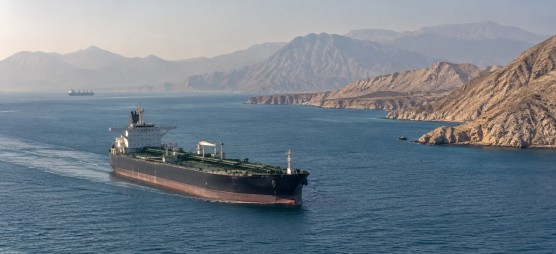
The Strait of Hormuz, a vital corridor for global energy shipments, has become a focal point in the ongoing U.S.-Iran confrontation. Iran’s conditions for reopening the waterway include a scaling back of what it perceives as U.S. military aggression. Tehran has warned of potential retaliation if military operations continue, underscoring the fragile balance of power in the region.
U.S. Secretary of State Marco Rubio has indicated that while no official meetings have been scheduled, Washington is open to dialogue with Iranian representatives during the UN General Assembly. However, Rubio emphasized that any discussions would need to align with efforts to prevent Iran from acquiring nuclear weapons, a longstanding point of contention between the two nations.
This latest diplomatic overture highlights the broader context of strained U.S.-Iran relations, heavily influenced by disagreements over Iran’s nuclear program and security dynamics in the Gulf region. The international community continues to watch closely as both countries navigate these complex geopolitical challenges, hoping for a peaceful resolution that ensures the security of the Strait of Hormuz and stability in the Middle East.