
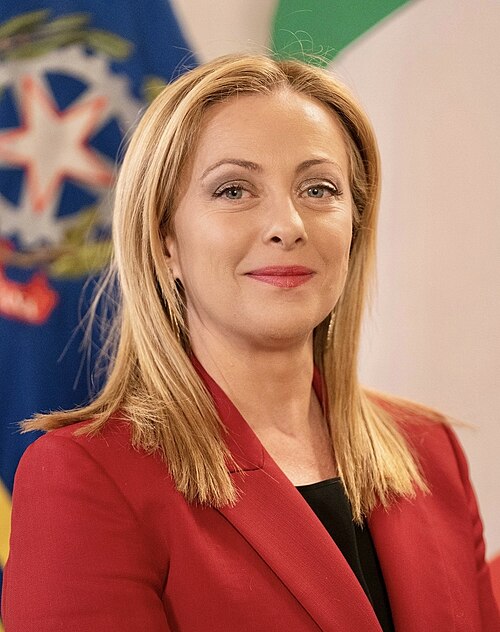
Premier Giorgia Meloni announced to parliament on Wednesday that Italy’s government is set to approve a plan for reintroducing nuclear power this summer. The country, which stepped away from nuclear energy following a referendum in response to the Chernobyl disaster four decades ago, is now considering the adoption of modern small reactors utilized by the private sector to re-integrate nuclear power into its energy mix. Meloni emphasized that an enabling law to facilitate this return would be sanctioned within the coming months. The administration argues that reestablishing nuclear power will enhance Italy’s energy independence and cut costs, particularly in light of the ongoing conflict in Iran.
During her address to the Senate at Premier Time, Meloni extended an olive branch to the opposition, inviting collaboration on key national issues such as employment, healthcare, birth rates, and the development of a new electoral law. Despite this gesture, opposition parties have already rebuffed her offer. Meloni underscored the importance of wages, business incentives, and birth rates as central to her government’s agenda. She further noted a shift in the labor market under her leadership, with a decrease in precarious work and an increase in stable employment, asserting that young Italians should view remaining in their home country as a competitive choice rather than a daunting one amid a growing brain drain.
Meloni stressed the need for raising Italian wages through enhanced collective bargaining efforts. She highlighted that by the end of March, 76% of the funds designated by the European Union for the National Recovery and Resilience Plan (NRRP) had been utilized, commending her government for its effective allocation of these resources. This financial management is portrayed as a testament to the administration’s commitment to economic recovery and resilience.
The Premier also engaged in a heated exchange with Matteo Renzi, leader of the centrist Italia Viva (IV) party and a former prime minister, over the government’s proposed housing plan. This clash underscores ongoing tensions between Meloni’s administration and some centrist factions, reflecting broader political dynamics within Italy’s current political landscape.