
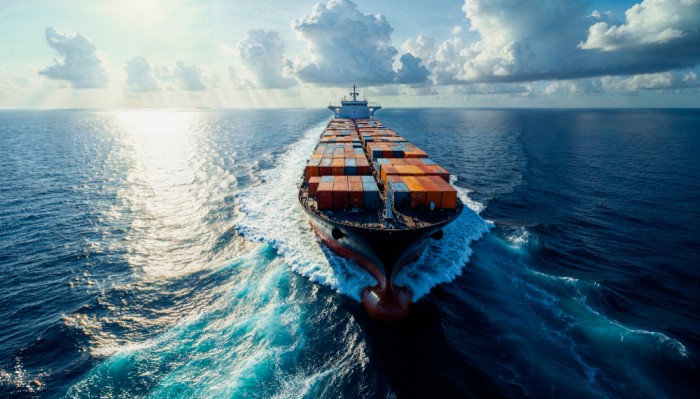
The Red Sea has become a focal point of tension as Yemen’s Houthi Movement, supported by Iran, declared a comprehensive ban on Israeli shipping in the region. This declaration was accompanied by a claim of responsibility for a missile attack against Israel, potentially destabilizing one of the world’s key maritime trade routes. The Houthis have stated that any Israeli maritime activity in the Red Sea will now be treated as a valid military target, with a warning that Israeli-affiliated vessels could come under attack.
This announcement emerges amidst escalating tensions in the Middle East, particularly between Israel and Iran, with reports of renewed hostilities. The Houthis have also declared that they successfully executed a missile barrage on Israeli targets, claiming the operation met its goals. Israel’s defense forces confirmed they detected a missile launch from Yemen and activated air defense systems to neutralize the threat.
The strategic importance of the Red Sea as a shipping corridor cannot be overstated, as it serves as a crucial link between Europe and Asia via the Suez Canal. Past attacks by the Houthis on commercial shipping during the Israel-Hamas conflict led companies to divert ships around the southern tip of Africa, leading to increased shipping costs and delays. The current threat highlights ongoing concerns about the security of vital shipping routes, including the Strait of Hormuz, a critical passage for global energy supplies. Any extended disruption in these areas could have significant repercussions for international trade and the oil markets.
Since 2014, the Houthis have maintained control over major parts of Yemen, including the capital, Sanaa. They are part of the “Axis of Resistance,” a coalition of Iran-affiliated entities which includes Hezbollah. Analysts caution that renewed attacks on maritime operations in the region could heighten risks for commercial vessels and add another layer of complexity to the already unstable geopolitical climate.