
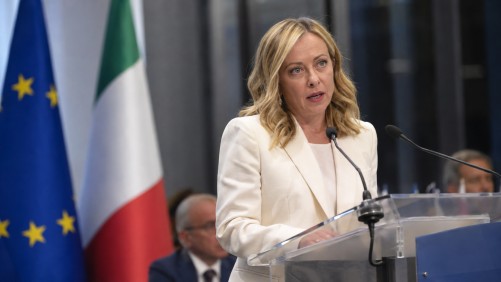
Italian Prime Minister Giorgia Meloni is advocating for comprehensive, long-term strategies to combat escalating energy costs, emphasizing that temporary emergency interventions are insufficient. During her speech at the Assolombarda assembly in Milan, Meloni highlighted the Italian government’s allocation of over €60 billion in recent years to mitigate the impact of high energy prices on households and businesses. These measures have included reducing energy bill surcharges, adjusting fuel excise duties, and encouraging energy companies to cap prices.
Meloni pointed to geopolitical tensions, such as those involving Iran, disruptions around the Strait of Hormuz, and instability in the Red Sea, as contributors to increased costs of energy, raw materials, and transportation. These factors, she noted, are driving inflation and exerting pressure on families, businesses, and public finances.
The Italian Prime Minister also expressed concerns about the limitations imposed by the European Union’s budget rules, which she argues restrict the fiscal space needed for investment and economic growth. She plans to address these concerns at the upcoming European Council meeting, urging for greater budget flexibility to accommodate additional costs that arise from circumstances beyond national governments’ control.
Furthermore, Meloni called for reforms to the EU’s Emissions Trading System (ETS), warning that its financial burden could disadvantage European industries compared to international competitors. She underscored the need to balance environmental goals with the protection of domestic manufacturing, industrial supply chains, and jobs.
As part of Italy’s strategy to enhance energy security, Meloni noted the country’s efforts to expand renewable energy capacity and strengthen domestic oil and gas production. These initiatives are integral to Italy’s broader approach to achieving sustainable energy solutions and reducing dependency on external sources.