
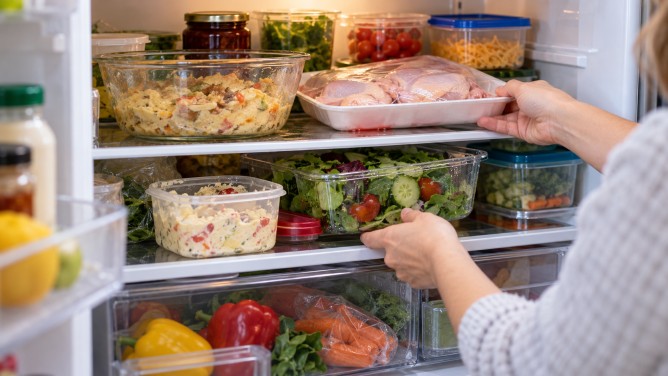
Ensuring the safety of home-cooked meals goes beyond the cooking process itself; proper food storage is equally crucial to prevent foodborne illnesses. Poor storage practices, such as leaving cooked dishes at room temperature, overcrowding the refrigerator, or repeatedly reheating leftovers, can foster bacterial growth and increase the risk of food poisoning.
One common mistake is leaving cooked food out for extended periods, allowing harmful bacteria to multiply. Perishable foods should be refrigerated within two hours of cooking, or within one hour if temperatures exceed 32°C. To cool food rapidly, divide it into smaller portions and use shallow containers.
Overfilling the refrigerator is another misstep, as it hampers air circulation and makes it difficult to maintain a safe temperature. To keep food sufficiently cold, ensure your refrigerator is set at 4°C or below and arrange items with enough space for proper air movement.
Cross-contamination is a risk when raw and cooked foods are stored together. Always store raw meat, poultry, and seafood in sealed containers on the bottom shelf to prevent juices from contaminating ready-to-eat foods. Additionally, wash hands, utensils, and surfaces after handling raw ingredients.
Reheating leftovers repeatedly can also pose food safety risks. Instead of warming the same dish multiple times, divide leftovers into individual portions and reheat only what you intend to eat. Ensure leftovers reach at least 74°C throughout, ideally checking with a food thermometer.
Washing produce too early and not storing it properly can lead to spoilage. It’s best to wash fruits and vegetables just before use, or if done in advance, dry them thoroughly and store in a clean container. Lastly, relying solely on smell and appearance to judge food safety is insufficient, as harmful microorganisms can be present even when food seems fine.
To minimize foodborne illness risks, it’s essential to control time, temperature, moisture, and prevent cross-contamination. Promptly refrigerate perishable items, label leftovers with dates, and follow recommended storage times. When in doubt about food safety, it’s better to err on the side of caution and discard potentially unsafe food.