
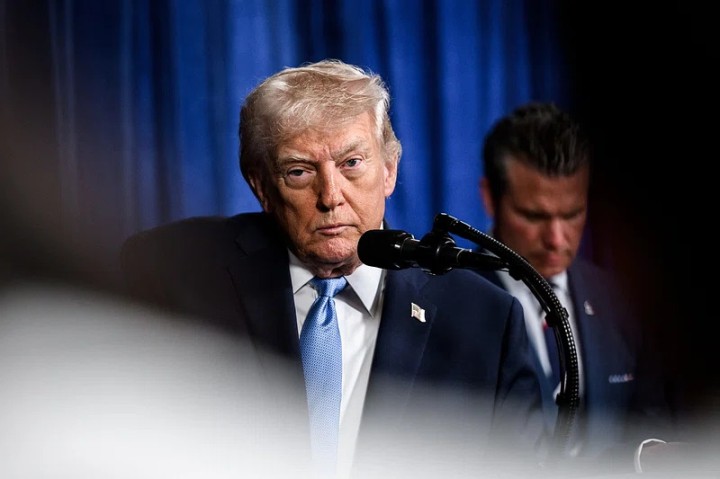
In a recent development that could impact Middle Eastern diplomacy, US President Donald Trump has voiced strong concerns over Israeli airstrikes targeting Hezbollah positions in the southern suburbs of Beirut. Trump warned that these military actions might jeopardize critical diplomatic efforts aimed at achieving a broader peace agreement in the region. He called for restraint from all parties involved, emphasizing the need for an immediate cessation of hostilities in Lebanon.
Trump underscored the potential risk these strikes pose to ongoing negotiations focused on establishing a comprehensive peace framework in the Middle East. He expressed a desire to see diplomatic progress bring about lasting regional stability and reduce tensions. The President urged that no further attacks should occur, either by Israel within Lebanon or from Hezbollah or other groups against Israel.
In response to the situation, Israel justified its military operations, claiming they were retaliatory measures following Hezbollah’s earlier projectile launches into Israeli territory. Israeli officials reported that their strikes specifically targeted a Hezbollah command facility in Beirut’s southern suburbs, asserting their right to defend the nation and its citizens from aggression. They placed the blame squarely on Hezbollah for initiating the recent exchange of hostilities.
This escalation has raised alarms among international observers, who fear that continued violence could complicate broader diplomatic initiatives involving regional powers. The potential for further conflict threatens to derail efforts to de-escalate tensions and establish long-term security arrangements in the Middle East. Despite the challenges, several nations continue to advocate for dialogue and measured responses to preserve the momentum towards peace.
The latest incidents underscore the precarious nature of the current diplomatic landscape, where military actions directly influence high-level negotiations. Analysts maintain that maintaining peace and preventing further conflict will be crucial in ensuring progress toward regional stability. The situation remains delicate, with the international community closely monitoring developments and urging all parties to prioritize diplomatic solutions over military confrontations.