
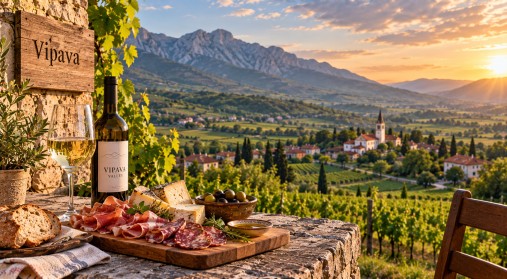
In the heart of southwestern Slovenia, the Vipava Valley presents a serene alternative for those looking to immerse themselves in the country’s stunning landscapes, culinary delights, and wine culture. Nestled among steep hills and extensive vineyards, the valley seamlessly blends picturesque rural vistas with historical charm, outdoor pursuits, and an expanding array of intimate tourism experiences.
Located about an hour’s drive southwest of Ljubljana and near the Italian border, Vipava remains a hidden gem compared to the more frequented Soča Valley. The landscape is shaped by the Vipava River, which meanders through the valley, bordered by karst hills and mountain ridges. A distinctive feature of the area is the burja wind—a powerful, dry gust originating from the Alps, which has significantly shaped local agriculture, enhancing conditions for vineyards and traditional food production.
Wine enthusiasts will find the valley particularly enticing, as vineyards blanket the hillsides with small wineries producing a diverse range of regional wines. The wine tourism here is intricately linked with the region’s agricultural roots, allowing visitors to engage deeply with the vineyards, villages, and surrounding countryside. Gastronomy is another highlight, with local specialties such as sheep and goat cheeses, cured meats, handmade pasta, and traditional Slovenian dishes. The valley’s culinary scene is enriched by farm-to-table restaurants and quaint rural eateries.
The area’s agricultural heritage is preserved in its historic farm buildings, many of which are being transformed into guesthouses and holiday accommodations. This not only safeguards traditional architecture but also fosters new opportunities for rural tourism. For those who enjoy outdoor adventures, the valley offers cycling routes that weave through vineyards and tranquil countryside, hiking paths that venture into the surrounding hills, and even paragliding, thanks to the region’s mountainous terrain.
Rich in history, Vipava Valley adds depth to its appeal with destinations like Ajdovščina, which bears remnants of its Roman past, and Vipavski Križ, known for its compact historic charm and scenic streets. The development of tourism in the valley focuses on small businesses and local customs rather than large-scale resorts. This strategy allows visitors to savor the authentic rural essence of Slovenia, while preserving the unique character of its villages, vineyards, and agricultural landscapes. For travelers seeking breathtaking scenery, regional cuisine, and outdoor activities away from the hustle of Slovenia’s more popular spots, Vipava Valley stands out as a captivating choice.